
The Adaptive Wire
The latest bits on disability, tech, and culture.
Think of this as our community’s digital ticker-tape. We’re scouting the web for the best links, from breakthrough tech and media wins to the "must-know" updates in disability culture. No long-form essays, just the essential news delivered fast so you can stay in the loop and get on with your day.
Got a scoop? We want this wire to be powered by you. If you’ve spotted a story, a gadget, or a win the world needs to see, send it our way and help us keep the community informed.
Beyond the Wire: Our Deep Dives
The Adaptive Wire is for speed, but some stories deserve a closer look. When we find a topic that needs more than a headline, like the ethics of urban design or the future of digital accessibility, we head to The Feature Desk.
Here, we trade the ticker-tape for deep research and original advocacy. Dive into our long-form stories to see the full picture. To continue with The Adaptive Wire news feed, scroll past this section.


The Latest on the Wire
Birding Beyond Sight
The News: NPR highlighted the vibrant community of visually impaired birders who prove that "bird watching" is a misnomer. Instead of relying on sight, these outdoor enthusiasts master the art of "birding by ear," using acute listening skills, memory, and specialized audio tech to identify, track, and deeply connect with wild birds in nature.
Why it’s cool: This story completely flips the script on how a traditional hobby is packaged and accessed. By focusing on soundscapes rather than sight lines, adaptive birding opens up the therapeutic and social benefits of nature to the blind and low-vision community, highlighting that passion and community connection aren't limited by how you perceive the world.
Ready to hit the trails? Birding belongs to everyone. Whether you are navigating vision loss or looking to lead a more inclusive outdoor excursion, dive into Birdability’s Adaptive Guide for Blind and Low-Vision Birders to discover accessible tech, tip sheets, and a welcoming community built around the joy of birding by ear.
Disney Reimagines Hits in ASL
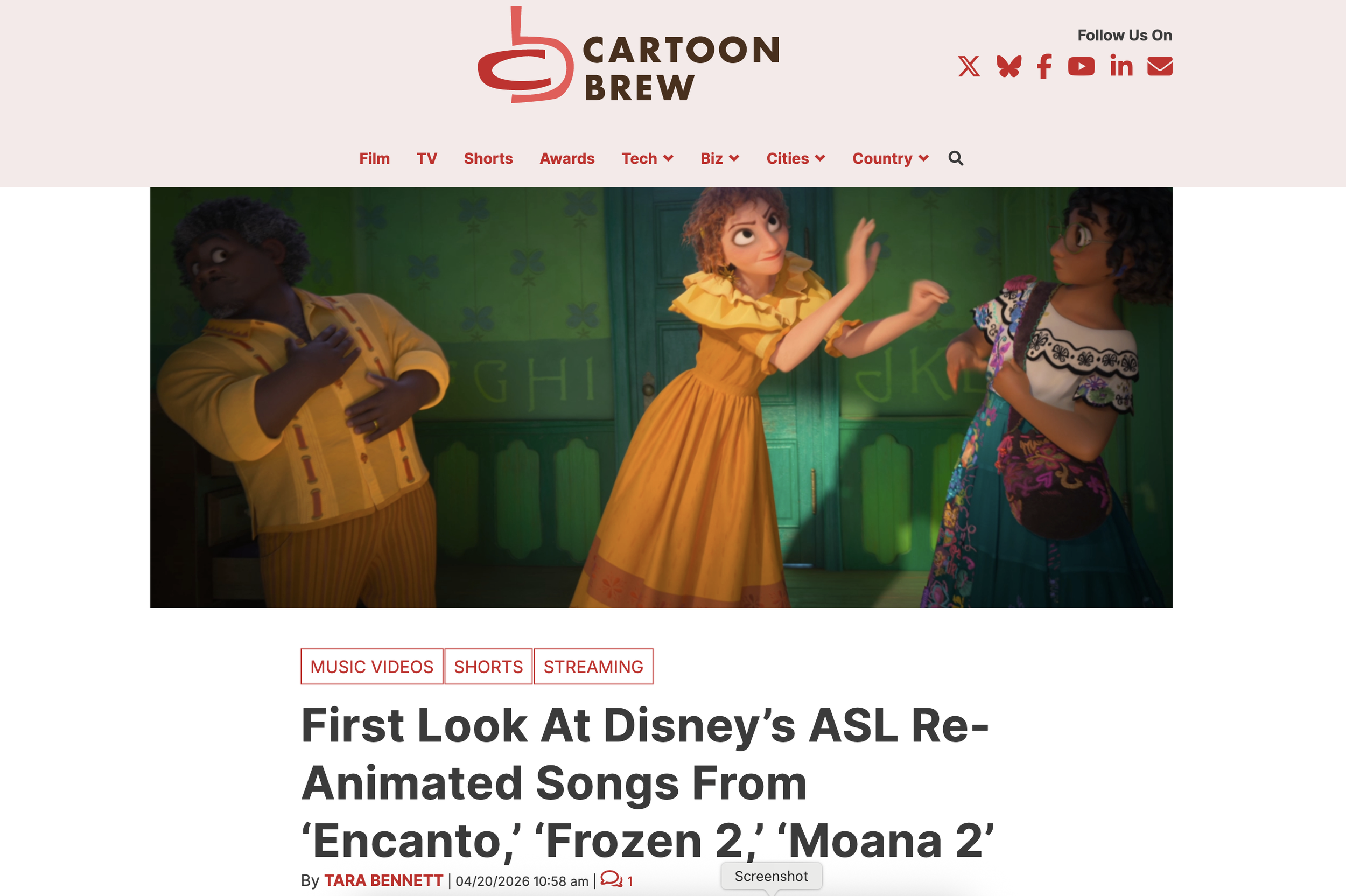
The News: Disney Animation is releasing a landmark series called Songs in Sign Language. They didn’t just add an interpreter in the corner; they actually re-animated characters from Encanto, Frozen 2, and Moana 2 to perform the songs using American Sign Language.
Why it’s cool: Directed by a Disney veteran with a Deaf father, the project worked with Deaf West Theatre to ensure the characters’ hand shapes, facial expressions, and body language match the true emotion of the music. It's a huge win for authentic representation in animation.
The DOJ Extends the Digital Deadline
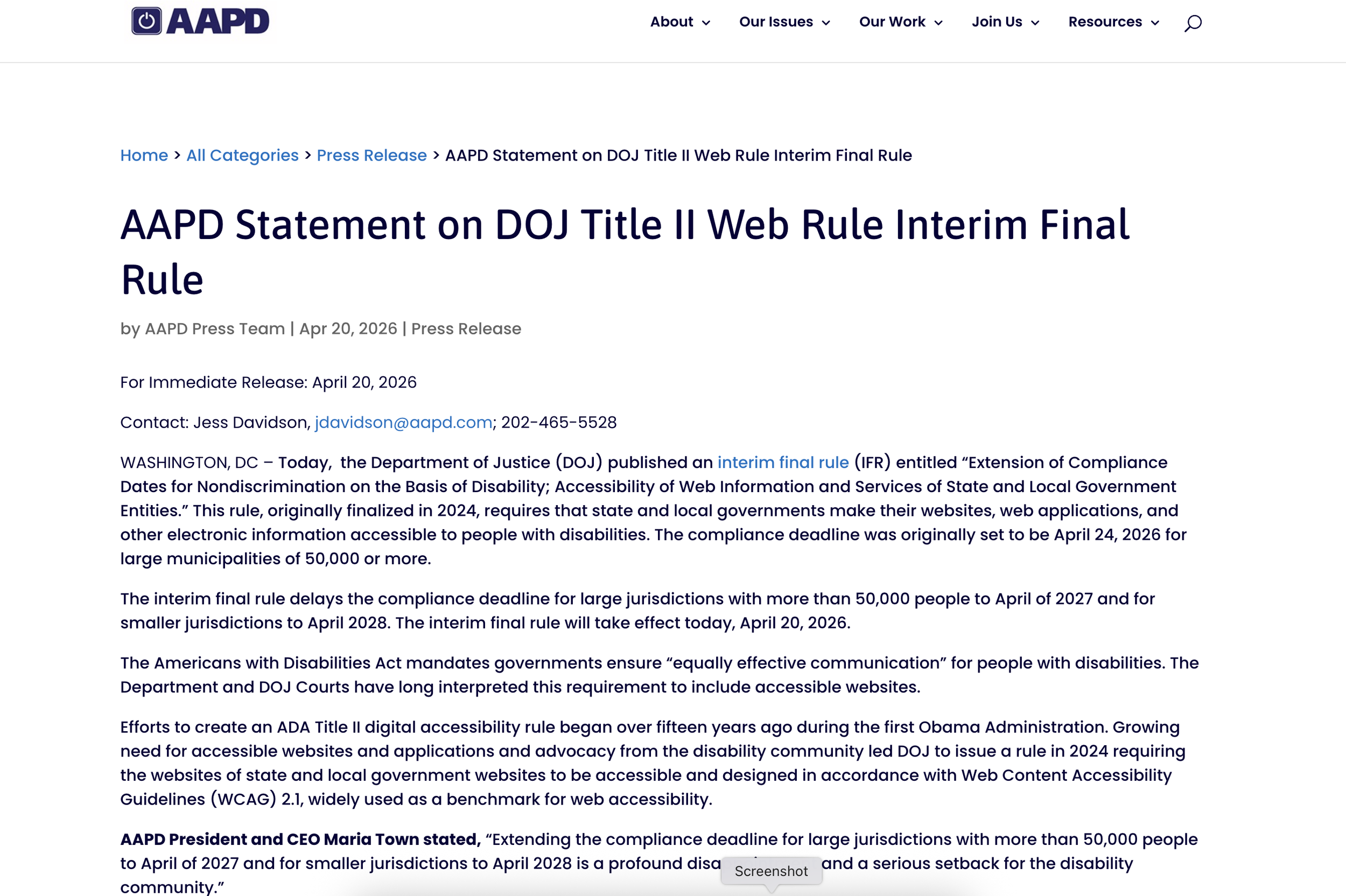
The News: On April 20, 2026, the Department of Justice officially moved the "finish line" for web accessibility. While state and local governments were supposed to have their websites and apps fully accessible by this week, the deadline for large cities has been pushed to April 2027, and smaller towns now have until 2028.
The Win/Loss: It’s a bit of a setback for digital access, but the rule itself is now "Final." This means governments can no longer guess what "accessible" means—they must meet WCAG 2.1 AA standards. The pressure is on.
Neural Earbuds: The New Remote Control?
The Brief: A company called Naqi Logix just unveiled "neural earbuds" that allow users to control computers, smart homes, and even wheelchairs without using their hands or voice. They work by picking up micro-gestures and brain signals from the ear canal.
The Win: For people with limited mobility or those who can’t use voice commands, this turns everyday tech into a seamless extension of the body. It’s a massive leap toward true digital independence.
Team USA Rules the Ice in Milano Cortina
The News: The U.S. Para Ice Hockey team just made history by winning their fifth consecutive Paralympic gold medal. They dominated the final against Canada with a 6-2 victory, led by MVP Declan Farmer, who set a new all-time scoring record for a single Winter Games.
The Win: It’s a masterclass in consistency and teamwork. Plus, these Games were the most-watched in history, proving that the world is finally tuning in to see adaptive athletes at the top of their game.
Subtitles for Your Life: XanderGlasses
The News: Imagine having closed captions for every conversation you have in person. New "XanderGlasses" use built-in microphones to translate speech into text in real-time, projecting the words directly onto the lenses of the glasses.
The Win: Unlike phone apps, these don't need Wi-Fi or a cloud connection to work. It gives people with hearing loss a private, instant way to follow along in loud restaurants or busy meetings.
Real-Time Subtitles for Video Calls
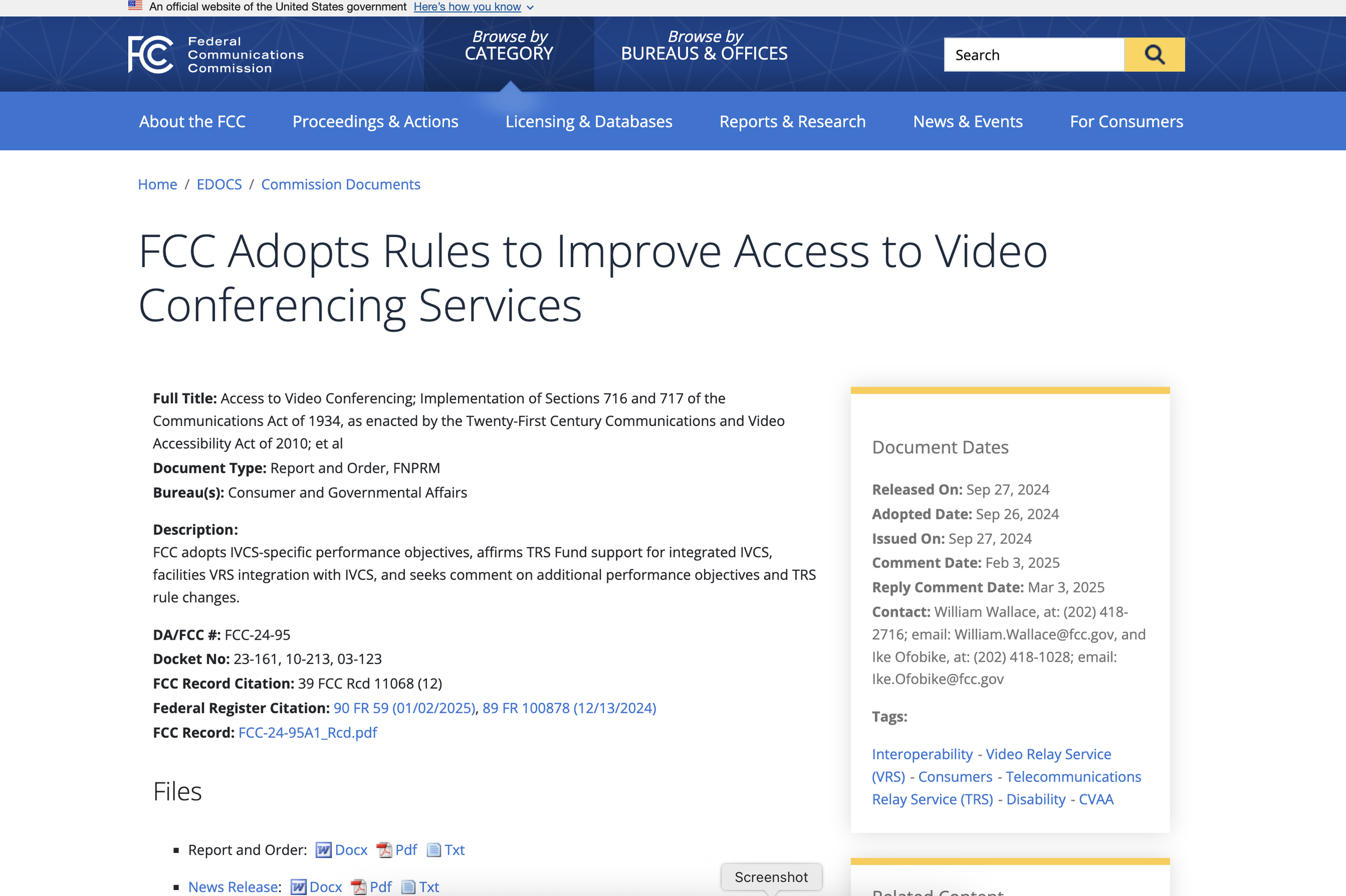
The News: New FCC rules are kicking into high gear this month! Video conferencing platforms (think Zoom and Teams) are now being held to stricter standards for "Equitable Access." This means high-quality, low-latency captions and better screen-reader navigation must be built-in, not just an "add-on."
The Win: Whether it’s a doctor’s visit via telehealth or a remote job interview, the digital world is becoming significantly more readable for the Deaf and Hard of Hearing community.